How to Maintain a Crispy Grain Food Production Line for Long-Term Performance
A crispy grain food production line is a major investment for snack food manufacturers. Whether producing puffed cereals, multigrain snacks, rice crisps, or breakfast cereals, maintaining the equipment properly is essential for ensuring stable production, consistent product quality, and long-term profitability.
Without regular maintenance, production lines may experience equipment wear, unstable puffing performance, increased energy consumption, and unexpected downtime. Proper maintenance not only extends machine lifespan but also improves operational efficiency and food safety compliance.
In this article, we will explain how to maintain a crispy grain food production line for long-term performance and provide practical maintenance tips for manufacturers.
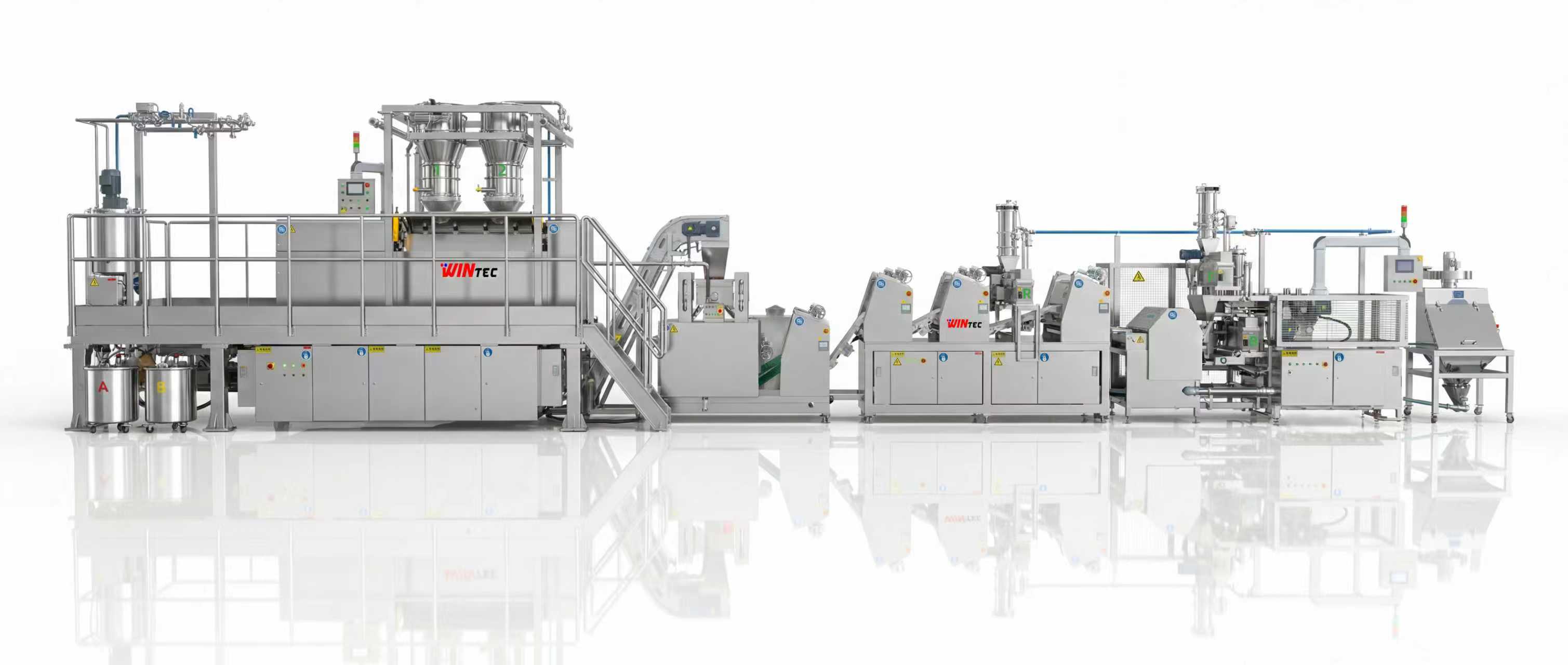
Why Maintenance Is Important for Crispy Grain Food Production Lines
Regular maintenance directly affects:
Equipment lifespan
Production efficiency
Product quality
Food safety
Energy consumption
Operating costs
Poor maintenance can lead to:
Frequent machine breakdowns
Uneven product texture
Reduced crispiness
Higher repair expenses
Production delays
Increased material waste
A preventive maintenance strategy helps manufacturers minimize downtime and maximize return on investment.
Main Components of a Crispy Grain Food Production Line
Understanding the key equipment helps create an effective maintenance plan.
Typical production line components include:
Raw material mixer
Screw feeder
Extruder
Dryer
Flavoring machine
Cooling conveyor
Packaging machine
Control system
Each section requires different maintenance procedures.
Daily Maintenance Procedures
1. Clean Equipment Thoroughly After Production
Food residue buildup can affect hygiene and machine performance.
Daily cleaning should include:
Removing grain powder residue
Cleaning oil and seasoning deposits
Wiping conveyor surfaces
Cleaning extruder barrels and screws
Removing moisture buildup
Proper cleaning helps prevent:
Product contamination
Bacterial growth
Machine corrosion
Material blockage
Use food-safe cleaning agents and avoid harsh chemicals that may damage machine surfaces.
2. Inspect Moving Parts
Moving components experience continuous friction during production.
Check daily for:
Loose bolts
Abnormal vibration
Unusual noise
Belt wear
Chain tension
Bearing condition
Early detection of wear reduces the risk of major equipment failure.
3. Lubricate Mechanical Components
Lubrication reduces friction and extends equipment lifespan.
Common lubrication points include:
Bearings
Gearboxes
Chains
Conveyor systems
Drive shafts
Important tips:
Use food-grade lubricants
Avoid over-lubrication
Follow manufacturer recommendations
Maintain lubrication schedules
Insufficient lubrication may cause overheating and component damage.
4. Monitor Temperature Control Systems
Temperature directly affects puffing quality and product texture.
Check:
Dryer temperature stability
Extruder heating zones
Temperature sensors
Control panels
Unstable temperatures can lead to:
Uneven puffing
Poor crispiness
Burnt products
High moisture levels
Calibrate sensors regularly for accurate temperature control.
5. Check Electrical Systems
Electrical failures can stop production unexpectedly.
Inspect regularly:
Power connections
Control cabinets
Wiring systems
PLC control units
Emergency stop systems
Look for:
Loose wiring
Overheating
Dust accumulation
Damaged cables
Electrical maintenance improves production safety and reduces downtime risks.
Weekly Maintenance Tasks
6. Deep Clean the Extruder System
The extruder is one of the most critical components in the production line.

评论
发表评论